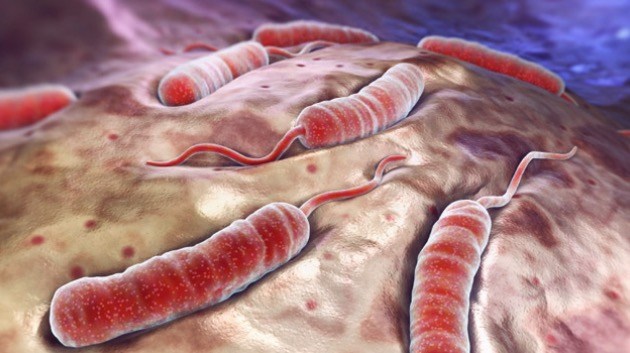
Cholera
Cholera is an acute diarrheal infection caused by ingestion of food or water contaminated with the bacterium Vibrio cholerae. Cholera remains a global public health threat and one of the main indicators of a lack of social development. Researchers estimate that around 1.3 to 4.0 million cases of cholera and 21,000–143,000 deaths from cholera occur annually worldwide.

Key facts:
Cholera is an acute diarrheal disease that, if left untreated, can be fatal in a few hours.
Researchers estimate that around 1.3 to 4.0 million cases of cholera and 21,000–143,000 deaths from cholera occur annually around the world.
Most infected people either have no symptoms or are mild, and the disease is successfully treated with oral rehydration solutions.
Severe cases require rapid treatment using intravenous fluids and antibiotics.
Ensuring safe water and sanitation is critical to controlling the spread of cholera and other water-borne diseases.
Oral cholera vaccines are an additional way to control cholera, but should not replace traditional measures to combat the disease. Safe oral vaccines
Safe oral cholera vaccines should be used in conjunction with measures to improve water supply and sanitation to combat cholera outbreaks and for prevention in areas at high risk of cholera.


Комментарии
Отправить комментарий